
E-commerce2025
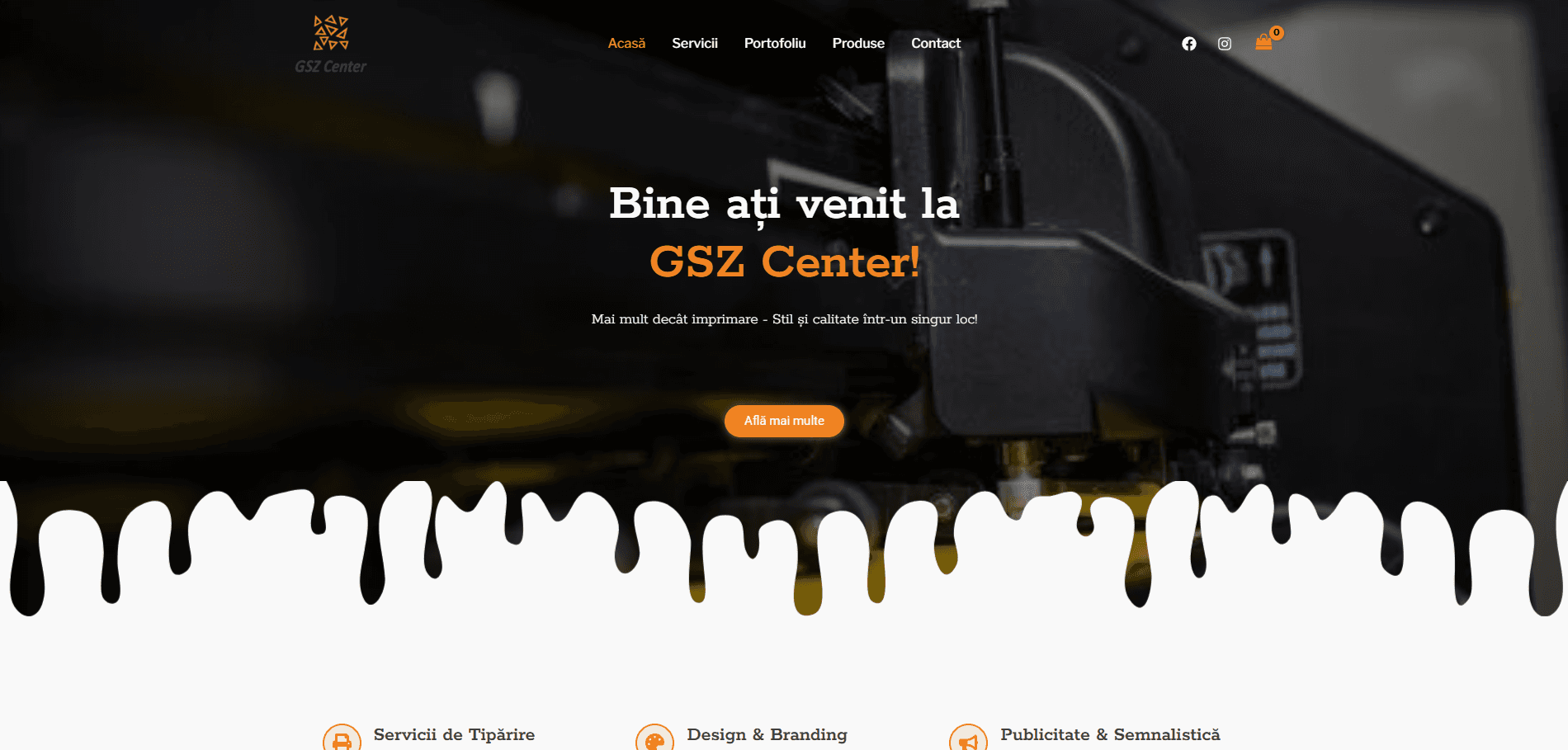
Appleplug Webshop – View case study
WooCommerce-based online store with custom integrations.
- WooCommerce
- PHP
- JavaScript
- Python
- REST API
Service 03 / 06
A webshop is more than a product catalogue. We build online stores that support the entire flow, from presenting products to payment, shipping, inventory and invoicing, so orders do not turn into manual work behind the scenes.
Typically for
01How it fits together
We design each step of the order flow, including the ones the customer never sees.
02The problem
Customers leave when products are hard to find, options are confusing or the checkout asks too much. Behind the scenes, many shops lose time in another way: orders, stock and invoices are copied between separate systems by hand.
We look at both sides. The storefront makes choosing and buying straightforward, and the back end connects the shop with the services that handle payment, delivery, stock and invoicing.
03Capabilities
04Related work
Published projects from our portfolio in which this service played a central role.
E-commerce2025
WooCommerce-based online store with custom integrations.
E-commercePrinting2026
DTF nyomtatási és egyedi termékekhez kapcsolódó webes felület.
E-commerceFood2026
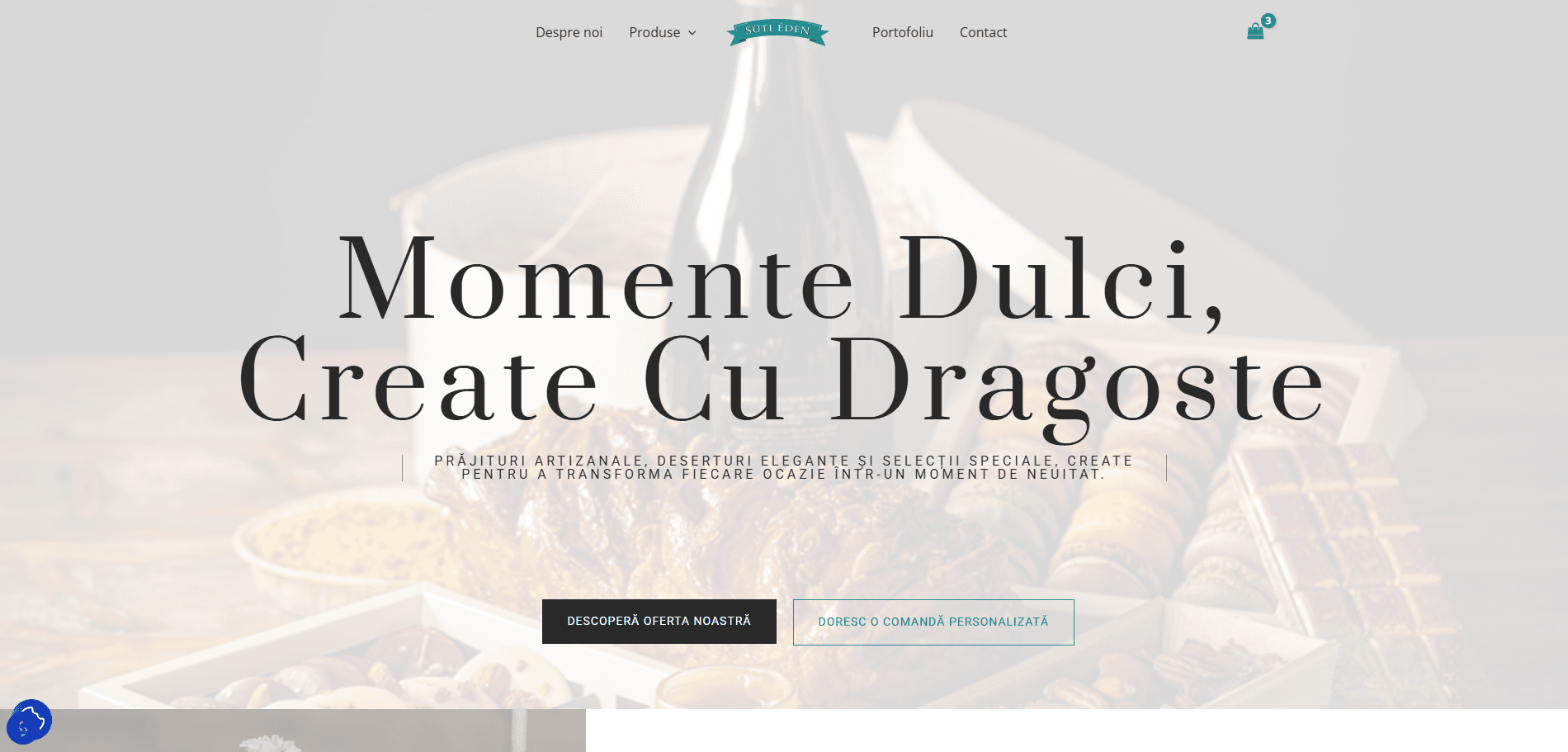
Kézműves sütemények és ajándékcsomagok modern online bemutatása.
05Use cases
A shop built on a proven platform such as WooCommerce, with a design and structure that suit the brand and its products.
Shops where customers configure a product, such as printed or custom-made items, through a guided choice of options.
Stores presenting their range in several languages, with structured categories and product attributes.
Connecting a running webshop with inventory, shipping and invoicing systems to reduce manual administration.
06How we work
We review the product range, the variants and how orders are handled today, from payment to delivery.
We choose the platform and agree which payment, shipping and invoicing services the shop connects to.
The shop is built, and complete test orders are run through payment, shipping and stock updates.
After launch, the shop can keep improving, and further steps can be automated as the business grows.
07Questions
It depends on the project. Many of our shops are built on WooCommerce, which is flexible and widely supported. Where the requirements call for it, parts of the shop can be developed individually.
Often, yes. If the system offers an API or a reliable data exchange, orders, stock and invoices can be synchronised automatically instead of being copied by hand.
Yes. A running shop can be extended with integrations or new functionality. Whether a rebuild is worthwhile is something we assess once we have seen the current setup.
Yes. Product content, categories and the checkout can be presented in multiple languages.
E-commerce
Tell us about the products, the order process and the systems involved. The planner guides you through it step by step.